
Meet Bret: Conquering an Ultramarathon with a Surprise Type 1 Diabetes Diagnosis


At 27 years old, I signed up in early 2026 to complete a race I had been working toward for years: the UTMB World Series Big Bear Kodiak 50K, featuring over 4,000 feet of elevation gain. It was going to be my first trail ultramarathon, my first high-altitude race, and my first individual out-of-state competition. Instead, it also became something I never planned for: my first race with type 1 diabetes.
On May 14, I was diagnosed with type 1 diabetes. It came as a shock to everyone, and the first few weeks were an intense transition. Right away, I made a promise to myself that I would not let the diagnosis define my limits, choosing instead to let the challenge make me stronger. I was determined not to walk away from the biggest physical and mental challenge of my year. A few weeks later, I started training again, navigating the steep learning curve of diabetes management while figuring out how to run all over again. I learned very quickly how effective exercise, especially cardio, is at burning glucose. Early on, I could barely run for 20 minutes before jamming the breaks in fear because the 100-degree Austin summer heat was tanking my numbers.
During the final days leading up to the race, I was terrified. Spending so much energy learning to live with diabetes meant I had not trained as adequately as I would have preferred. The normal practical race concerns about how long, hard, or painful the course might be were not even crossing my mind the way they would have six months earlier. Now, I was facing serious medical unknowns. I kept wondering how race day adrenaline, remote trails without cell service, high altitude, heavy climbing, and hours of steady cardio would affect my blood sugar. My head was spinning with questions, and the only way to find answers was to face the fear directly. My main goal shifted to learning my body under pressure and proving to myself that diabetes does not define my limits.
With that in mind, my initial objective on race morning was simple: just make it to the second aid station. That was roughly halfway, right after a huge climb, where I planned to assess my blood sugar and see how I was holding up. As the race kicked off, I ate fast carbs watching my numbers cruise upward as expected. I made a conscious effort to take in the experience, treating it not as a source of fear, but as a chance to appreciate being out there. I counted each mile as an accomplishment.
By the time I reached that second aid station, my glucose was cooperating. Monitoring it closely through my watch and phone gave me the confidence to keep moving. Getting through that first massive test felt huge. By mile 17, my watch disconnected from my sensor, so I had to keep pulling out my phone to stay on top of the readings. Even with that hiccup, I took my time, soaked in the views, and focused on enjoying the day.
The race definitely felt different than previous events. Instead of just tracking pace, heart rate, time, and distance, I had a whole other job to do on the trail: managing glucose trends. The mental weight of being a new diabetic definitely stacked on top of the physical fatigue, but it never took away from the beauty of the run. In fact, pushing through the miles brought a level of excitement and deep satisfaction I had never felt in a race before. I found myself grinning for most of the race because I knew I was conquering something so much larger than just the distance. Every smile on that trail was proof that you can overcome obstacles from life off the course. I was still able to love the experience just as much as I would have before the diagnosis, it just took a bit more thinking and intention.
Heading down the final descent, it hit me that I was going to finish something that had felt nearly impossible just months ago. Pushing through the unknowns, taking smart risks, and refusing to let diabetes take over my identity did not break me, it made me stronger.
Crossing the finish line was about so much more than 31 miles. It was proof that living with diabetes does not mean putting your life on pause. You can still take on massive, intimidating goals, you just must respect the details and manage the work.
Related Stories
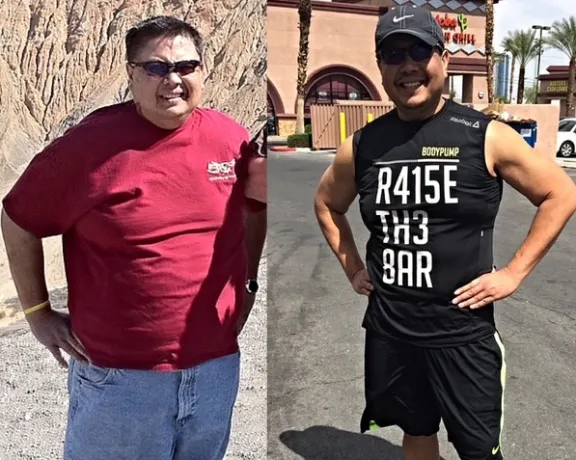
Meet Owen: How Movement Helped Him Manage His Type 2 Diabetes
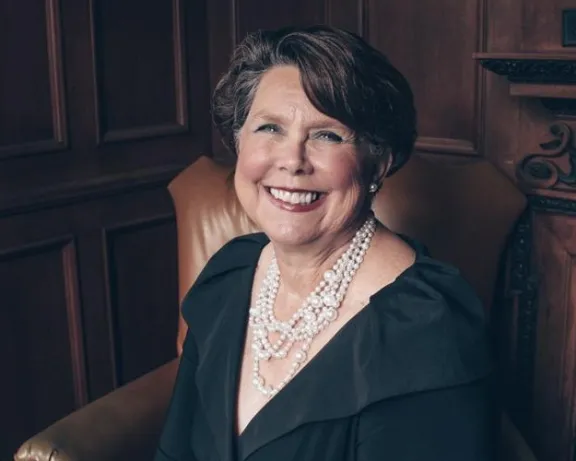
Meet Charlotte: Refusing to Let Type 1 Diabetes Define Her For 47 Years

Meet Rosa: Her Journey of Family, Courage, and Living Fully with Type 1 Diabetes

Meet Naomi: Running Strong with Latent Autoimmune Diabetes in Adults
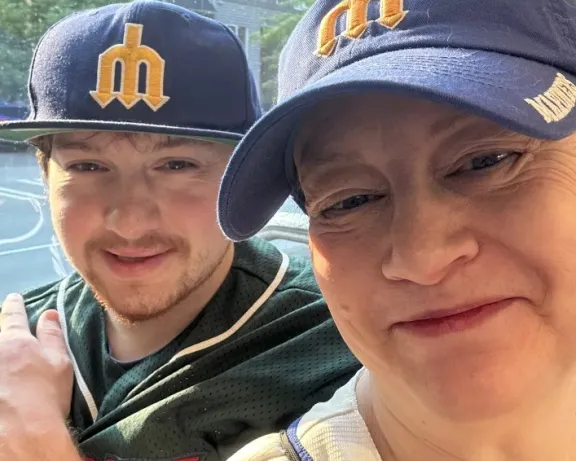
Meet Kelly and Ben: Living with Type 1 Diabetes Across Generations
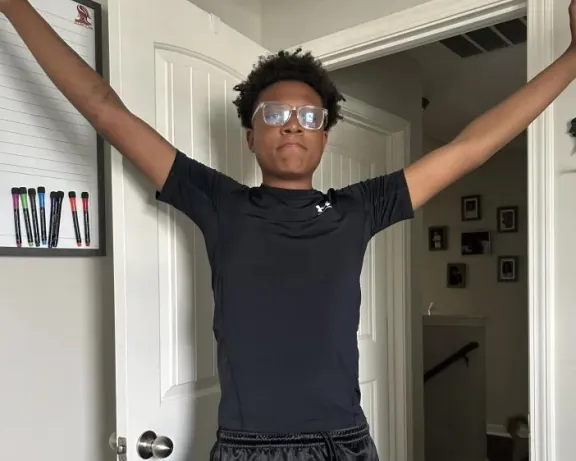
A Family’s Journey with Type 1 Diabetes and Insulin Access
Meet Kim: Teaching Future Nurses the Truth About Life with Type 1 Diabetes
Meet Hannah: Building a Beautiful Life with Type 1 Diabetes

Give Today and Change lives!
With your support, the American Diabetes Association® can continue our lifesaving work to make breakthroughs in research and provide people with the resources they need to fight diabetes.
Add diabetes.org as a preferred source on Google.