
Meet Sofiia: Turning a Type 1 Diabetes Journey into Passion and Purpose Around the World


Sometimes it does not feel real to realize that you have been living with diabetes for almost two decades now. Though I do not have a lot of memories from my childhood, I clearly remember the day I got diagnosed with T1D—I was just 5 years old. It was in December 2009, just a few days before New Year's Eve. I remember how my mom told me that we were going to see my grandparents and I needed to pack my stuff, but instead I was taken to the hospital for inpatient diagnosis and treatment of my diabetes. I ended up staying for almost a month at that hospital, it felt weird and confusing to learn how to use a glucose meter and why I needed to take something called insulin.
Shortly after getting my diagnosis, I started doing figure skating, which eventually turned into an athlete career before I went to college. It was a unique experience for me, because diabetes was always there with me—during early morning practices, competitions, performances, victories, and setbacks. I learned how to skate with insulin pumps and glucose sensors attached to my body, how to manage blood sugars during long training sessions, and how to adapt instead of giving up. There were moments when I felt frustrated that I had to think about things most athletes never had to think about, but over time I realized that diabetes was teaching me resilience, discipline, and problem-solving in ways I did not yet fully understand. Figure skating became more than just a sport for me. It became proof that diabetes did not have to define my limits. After spending more than 10 years in the sport, I also gained coaching experience, helping younger skaters grow both technically and emotionally. Coaching taught me patience, leadership, and the importance of encouragement, especially for young athletes who may doubt themselves. Looking back now, I realize that many of the qualities I developed on the ice eventually shaped the person and researcher I aspire to become today.
In 2021, my life changed again when I moved from Ukraine to the United States to pursue my education at Arizona State University. Starting over in a new country was both exciting and intimidating. I began studying computer information systems, fascinated by technology and problem-solving, but my personal experience with diabetes continued pulling me toward healthcare and research. Eventually, I decided to double major in biomedical informatics and data science because I wanted my work to contribute to improving the lives of people living with chronic conditions like mine.
That decision also motivated me to become involved in research. I joined the lab that did their research on T1D. Through these experiences, I worked on bioinformatics projects that explored biological data, computational methods, and the ways technology can support medical research and patient care. Being exposed to interdisciplinary research helped me better understand how data science and biomedical research can work together to address complex diseases. For the first time, I felt like I was contributing, even in a small way, to the kind of work that could one day improve the future of autoimmune diseases, including T1D.
As someone who has personally lived through the daily realities of T1D for almost 20 years, being involved in this field means much more to me than academics alone. Every sensor alarm, every low blood sugar during practice, every night spent worrying about glucose levels became part of the reason I wanted to contribute to science that could improve lives for millions of people. My experiences gave me not only motivation, but also empathy for patients whose lives are shaped by autoimmune disease every single day.
Recently, I was admitted into the accelerated master’s program in biomedical informatics and data science, which feels like another meaningful step forward in my journey. Today, I feel more inspired than ever to continue pursuing research and eventually work toward a PhD in immunology focused on autoimmune conditions, especially T1D.
Living with diabetes has never been easy, but it has shaped my resilience, my ambitions, and my purpose. What once felt like an unexpected interruption to my childhood eventually became the driving force behind my passion for science, advocacy, and research. Diabetes taught me how to adapt, persevere, and continue moving forward even in uncertainty, lessons that have carried me from the skating rink in Ukraine to research labs and classrooms thousands of miles away. And this journey still feels like only the beginning.
Related Stories
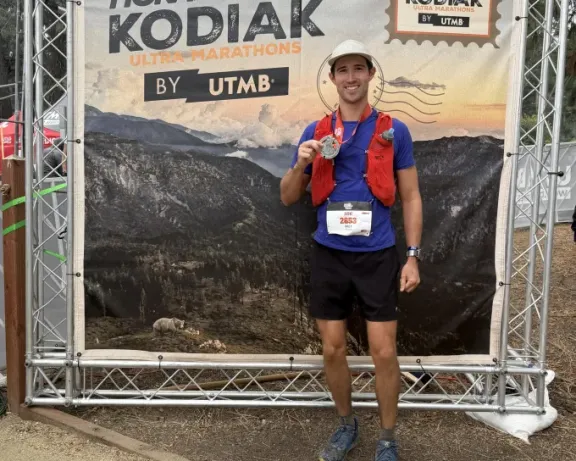
Meet Bret: Conquering an Ultramarathon with a Surprise Type 1 Diabetes Diagnosis
Meet Charlotte: Refusing to Let Type 1 Diabetes Define Her For 47 Years
Meet Rosa: Her Journey of Family, Courage, and Living Fully with Type 1 Diabetes
Meet Naomi: Running Strong with Latent Autoimmune Diabetes in Adults
Meet Kelly and Ben: Living with Type 1 Diabetes Across Generations
A Family’s Journey with Type 1 Diabetes and Insulin Access
Meet David: Turning Family Loss into a Mission to End Diabetes
Meet Kim: Teaching Future Nurses the Truth About Life with Type 1 Diabetes

Give Today and Change lives!
With your support, the American Diabetes Association® can continue our lifesaving work to make breakthroughs in research and provide people with the resources they need to fight diabetes.
Add diabetes.org as a preferred source on Google.